Microbial fermentation of industrial side streams offers a pathway to sustainability and innovation
The wine industry faces the challenge of finding more sustainable ways to minimize waste products and use resources efficiently. One promising approach is the fermentation of side streams generated during wine production – including grape pomace, vine leaves, and wine lees. These materials are rich in valuable bioactive compounds that can be transformed through fermentation into innovative products with diverse applications.
The Power of Fermentation
Fermentation is a natural process where microorganisms break down organic compounds, enhancing flavors, improving nutritional profiles, and creating new products. In the context of wine production, different by-products are obtained that can be upcycled into valuable goods:
Grape pomace: Fermented pomace has enhanced antioxidant properties and can be used to create functional foods and beverages.
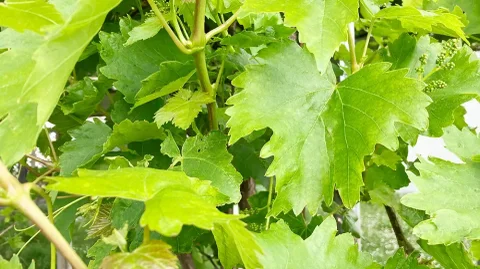
Vine leaves: Are rich in phenolic compounds and can be fermented to reduce bitterness, enhance aroma, and to create health-promoting drinks.
Wine lees: Extracts can be used to enhance the content of nutrients in foods, improving texture, and flavor in various applications.
A look at successful projects
An inspiring example of sustainable innovation is the "Sustainable Beverages" project, funded by the German Federal Ministry of Education and Research (BMBF) within the BioBall funding. The project's goal is to develop a fermented, non-alcoholic beverage made from vine leaves.
The phenol-rich leaves of certain grape varieties are fermented to create an aromatic drink with health-promoting properties. This project demonstrates how interdisciplinary collaboration between biotechnologists, oenologists, and wine makers can result in new products that conserve resources and create economic opportunities.
Why Fermentation Matters
Fermentation plays a crucial role in making wine production more sustainable by:
- Enhancing nutrition: Fermentation with beneficial microorganisms releases nutrients from by-products, boosting health benefits.
- Creating unique flavors: Fermented by-products develop complex flavor profiles that appeal to consumers.
- Supporting circular economy and zero waste: The process reintegrates "waste" into the production cycle, promoting sustainability.
In a nutshell: Fermentation is more than a production or preservation method – it is a gateway to sustainability and innovation in the wine industry. Through creative use of fermentation, wine makers can reduce waste, create new revenue streams, and offer consumers unique, healthful products. This ancient biotechnology is paving the way for a more sustainable and flavorful future in wine production.
Read more in the chapter “Sustainable Approaches in Viticulture: From Wastes and Side Streams to High-Value Products” (https://doi.org/10.1007/10_2025_281). Experts from BRAIN Biotech wrote this as part of the Springer book series "Advances in Biochemical Engineering/Biotechnology".
Starter Cultures & Probiotics
Profit from our Value Strain Collections
Discover together with our microbiology and bioprocess experts how fermentation can turn your side stream into a valuable resource, improving both sustainability and a new, tasty product.
Value Strain Collection Food
Our "Value Strain Collection Food" includes 900+ food-grade strains derived from the finest artisanal fermented foods, plant-based raw materials, and microbiomes.
Most of the strains are QPS/IDF-listed or have another documented use in the food sector. Perfect starting point for the development of innovative fermented foods and probiotics, supported by our application R&D team.

