
IP Management
Innovation creates value and effective intellectual property (IP) management protects it
As an experienced research and development partner, we regularly create novel technologies, methods, and products. We ensure that the technologies used in our products and customer projects are appropriately protected and available for their intended application.
Throughout development, we advise our customers on protecting and managing project-related inventions. Our open and transparent IP policy ensures that innovations created in joint projects remain accessible and commercially usable for our customers.
By agreeing on ownership and usage rights early in the collaboration, we provide clarity, reduce risk, and keep the focus on successful development and commercialization.
Further integrated services:
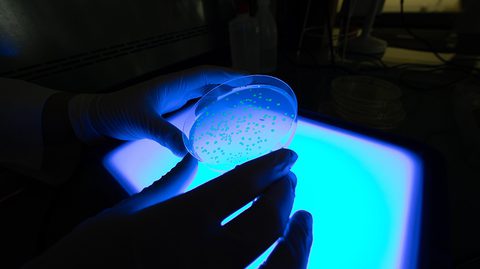
How we found an alternative genome-editing platform for engineering industrial strains
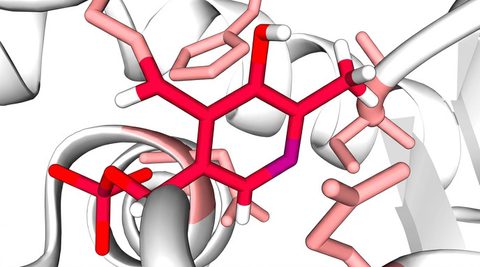
This case study shows how we took a holistic approach and combined technologies to provide a more efficient enzyme tailored to the needs of a specific industrial application.

It's more than just experience and knowledge

Alternative proteins continue to attract significant investment, precision fermentation is gaining commercial momentum, and consumer demand for health-focused products remains central to food and beverage development.
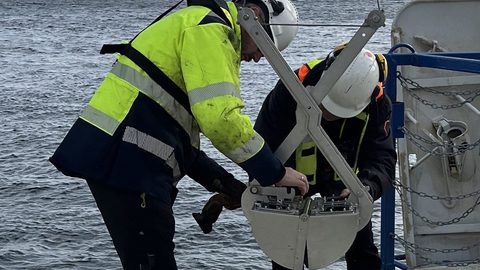
Deep-sea metagenomes provide access to unique genetic diversity for pharmaceutical, food, feed, beverage and other industrial applications
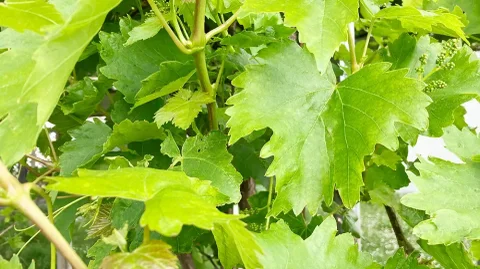
Side streams can be transformed into innovative products: An example from the wine industry

From maximising extract and improving lauter performance to supporting yeast health, clarity and shelf stability, enzymes quietly solve some of the brewing industry’s toughest challenges.

Accelerate enzyme discovery with the MetXtra™ technology platform and pave the way for your breakthrough in industrial biocatalysis
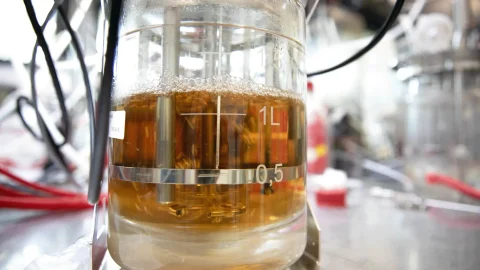
It can be difficult to produce CRISPR nucleases for use as RNPs. This case study demonstrates how we found a solution.
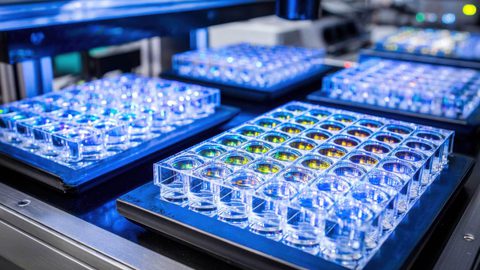
Finding the right enzyme quickly with our directed enzyme panels.
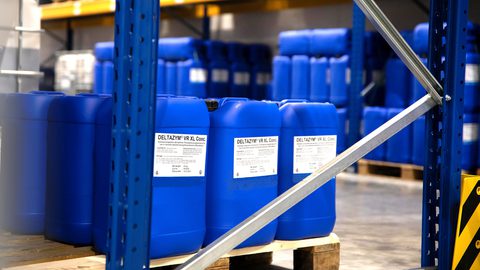
When every stage of enzyme development is connected, innovation moves faster, risks are reduced, and better outcomes become possible.

Implications for metagenomics, microbial strain collections, and enzyme discovery using digital sequence information
